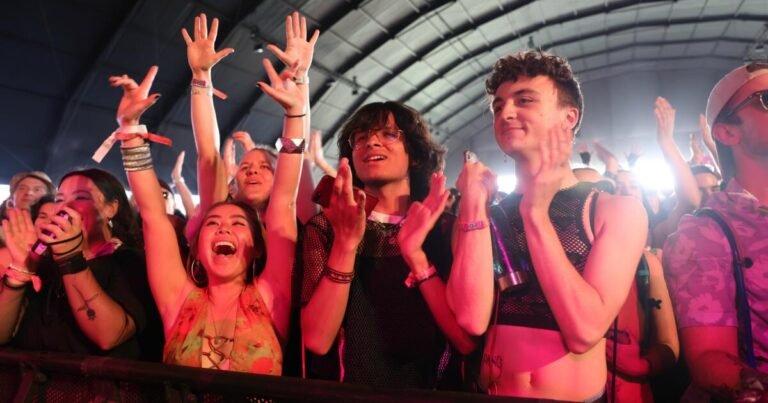


The Journey of Coachella: From a Small Desert Festival to a Cultural Phenomenon
Coachella’s Transformation from Local Festival to Global Cultural Phenomenon
Coachella, once a modest desert music festival, has evolved into a significant cultural icon that attracts tens of thousands of attendees from around the world. Its ascent over the past two decades is a testament to the festival’s unique blend of music, art, and experience, making it a focal point of the spring calendar.
Initially launched in 1999 at the Empire Polo Club in Indio, California, Coachella faced uncertain beginnings. The inaugural event featured a diverse lineup, yet it struggled with attendance, resulting in financial losses. However, the festival’s founders, Paul Tollett and Rick Van Santen, remained committed, curating an eclectic mix of genres that eventually resonated with audiences.
The turning point came in the early 2000s when Coachella embraced a larger vision. The addition of major headliners such as Radiohead and Beyoncé attracted wider attention, propelling ticket sales. By offering a platform for emerging artists alongside established names, Coachella fostered a sense of discovery that appealed to its audience.
“Coachella is about more than just music; it’s a complete experience,” says Tollett. “We wanted to create an atmosphere where people could connect with one another and celebrate art in many forms.” This philosophy has shaped the festival’s diverse programming, which now includes art installations, gourmet food vendors, and wellness activities.
Over the years, Coachella has also capitalized on social media, turning attendees into unofficial ambassadors. The festival’s striking visuals and influencer participation have generated extensive online engagement, helping to establish its reputation beyond the confines of the desert.
As the festival approaches its 25th anniversary, the implications of its growth are significant. Coachella’s influence extends far beyond music, shaping trends in fashion, social media, and even event planning. It serves as a blueprint for how festivals can evolve and adapt in an ever-changing cultural landscape.
With its enduring popularity, Coachella continues to be a destination for artists and fans alike, illustrating how a small local event can transform into an international cultural landmark.