

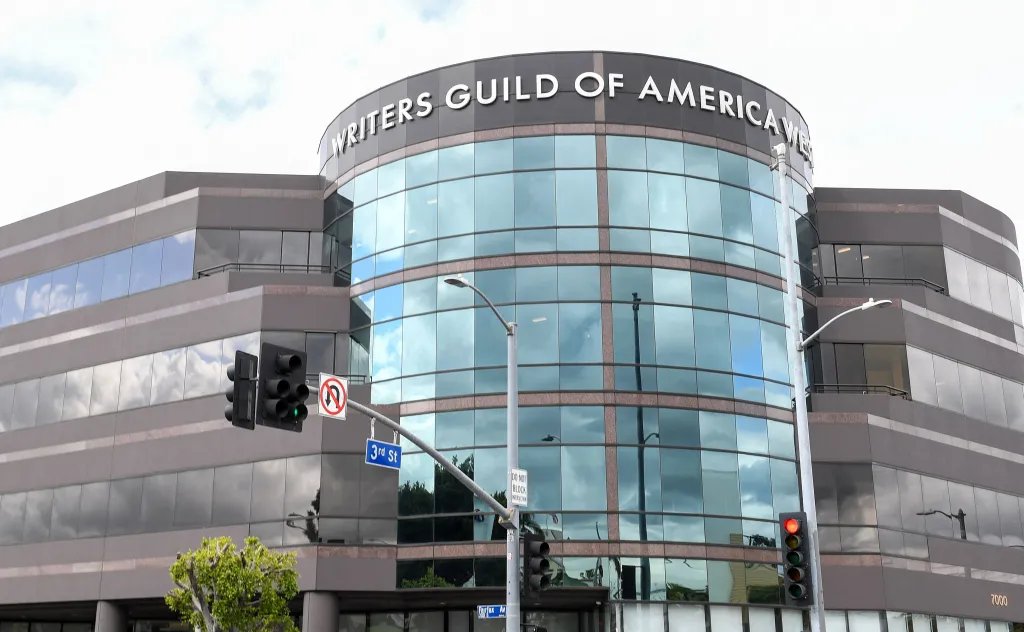
WGA Shares New Studio Deal Details: Writers Prioritize Health Plan Amid Ongoing Negotiations
Writers Guild of America Unveils Tentative Agreement with Studios and Streamers
In a significant development, the Writers Guild of America (WGA) East and West disclosed the details of a new tentative agreement with studios and streaming services on Wednesday. This announcement follows the approval of the agreement by their respective boards of directors and highlights plans to restore the solvency of the union’s health plan.
The Alliance of Motion Picture and Television Producers (AMPTP) has committed to contribute a record $321 million to the WGA health plan. In return, writers will extend their contract by another year. If approved later this month, the 2026 minimum basic agreement will last four years, a decision that may provoke dissent among other unions in the entertainment industry.
This cash injection allows for increased employer contribution caps to the health plan, which had previously stagnated. The WGA stated in a memo to its members that negotiations included essential changes effective in 2027, aimed at maintaining choice and keeping writers’ out-of-pocket costs manageable.
Additionally, the WGA has secured increased domestic and foreign residuals for streaming content. The 2023 contract’s success bonus will now rise to a 75% base residual for the most popular shows, coupled with annual minimum rate increases.
The AMPTP has also agreed to ongoing discussions with the writers regarding the implementation of artificial intelligence in writing, pledging to inform the guild if any studios license writers’ work for AI training. However, the agreement does not provide for compensation for writers regarding AI training usage, and it retains the current standards on minimum staffing.
An insider noted that this deal represents "easily the richest package that was ever placed on a table with the WGA in the history of the relations between the parties." Initially, the AMPTP sought a five-year contract but ultimately settled for four years, with the WGA successfully negotiating additional health plan funds.
While employers aimed to modify the health plan to reduce costs, discussions revealed the WGA was prepared to make some concessions as well. Adjustments will include increased monthly premiums and out-of-pocket expenses, alongside changes to extended coverage eligibility. The contract mandates these modifications to secure the promised funds, although the guild’s board of trustees will ultimately approve the changes.
Historically noted for its steadfastness in negotiations, the WGA surprised many by being the first of the major unions to reach a tentative agreement with the AMPTP. Nevertheless, the WGA’s leadership faces hurdles before celebrating a win.
To ratify the agreement, the WGA requires support from over 50% of its rank-and-file members. Despite a low likelihood of rejection, the contract may undergo more scrutiny than previous agreements due to the expedited bargaining process and necessary concessions. Notably, the deal was finalized before the guild’s typical strike-authorization vote—an action the WGA leadership and AMPTP were keen to avoid.
In anticipation of potential skepticism from the membership, the WGA plans to provide additional transparency regarding the agreement before the ratification vote, scheduled from April 16 to 24.
Meanwhile, the WGA West staff remains on strike, having lost their health insurance as of April 1. Ellen Stutzman, the WGA West executive director, has met twice with the staff union’s leaders since negotiations began, outlining the path to a resolution. According to guild sources, this involves revisiting the March 11 proposal from management and indicates some flexibility for further negotiations, although no updates have been reported on recent meetings.