
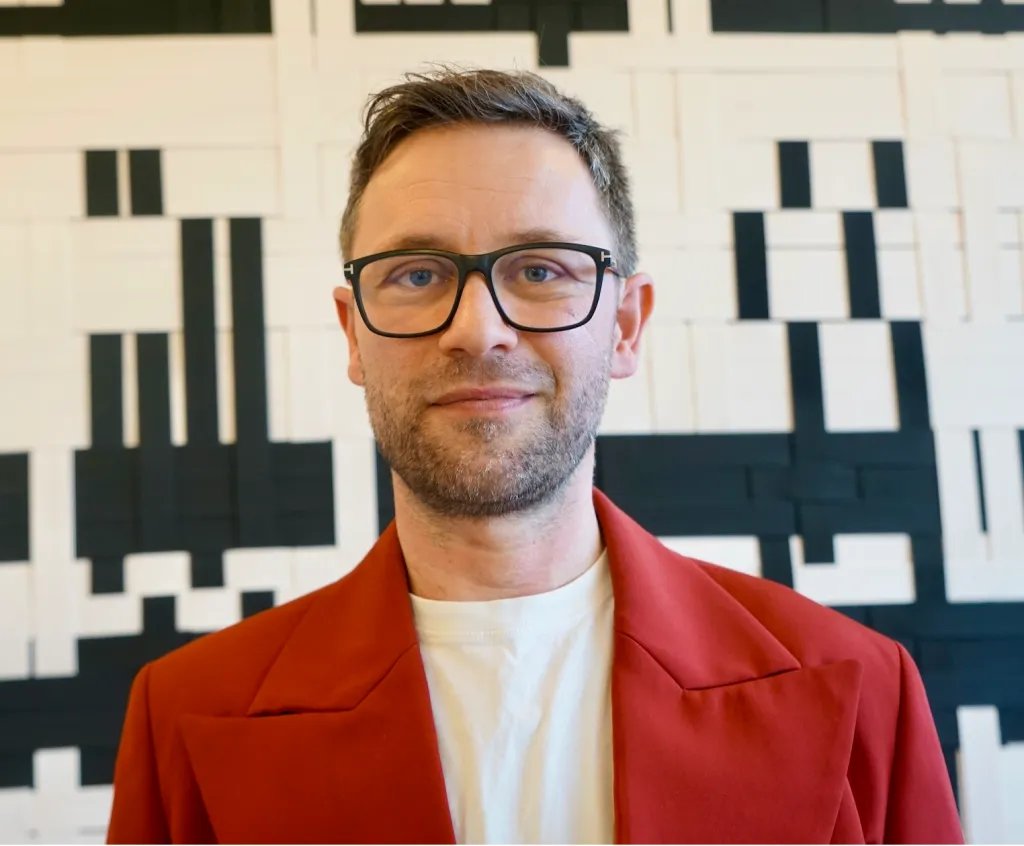
CPH:DOX Artistic Director Niklas Engstrøm Discusses Maintaining Independence from Danish Government Oversight
The German government maintains significant influence over the Berlin Film Festival, primarily due to its substantial funding and oversight of the festival’s supervisory board. This control means that when the festival’s activities—or prize winners—spark criticism, such as comments related to Israel, the government can apply pressure on Berlinale leadership.
In contrast, the CPH:DOX documentary festival, which recently concluded in Copenhagen, enjoys a different relationship with governmental funding. According to artistic director Niklas Engstrøm, the festival has largely avoided political pressure despite the Danish government’s financial support. “We haven’t, luckily, experienced any political pressure from the government or the municipality of Copenhagen,” Engstrøm stated. However, he noted that some local politicians struggle with the principle of maintaining a respectful distance from the festival.
This year, CPH:DOX did not shy away from discussing politically sensitive subjects. Several films tackled issues related to Israel and the Occupied Territories, including _Here and Not Here_, a short film directed by Andrea Zimmerman that presents “a cinematic diary from the West Bank and the Golan Heights—places caught between occupation, oppression, and a lived, collective experience.”
British filmmaker Louis Theroux presented his documentary _The Settlers_, which examines the expansion of Jewish settlements in the West Bank, deemed illegal under international law. Another highlighted film, _American Doctor_, directed by Poh Si Teng, follows three U.S. physicians volunteering in Gaza to aid children injured by Israeli military actions.
Engstrøm expressed the festival’s commitment to addressing challenging topics, emphasizing the importance of showcasing diverse perspectives: “In these dark times, festivals like CPH:DOX need to put forward all these difficult subjects and to screen films, also controversial films, films with different points of views, and to put them in a context where the films will be discussed by people that might not agree with the POV of the filmmaker.”
Founded in 2003, CPH:DOX gained prominence after transitioning from its original November schedule to March in 2017, a decision that required skipping the 2016 festival. This year’s program featured over 200 films, including many world premieres. The opening night film, _Mariinka_, directed by Pieter-Jan De Pue, garnered special attention for its exploration of the war in Ukraine.
Engstrøm also highlighted the significance of acclaimed actress Juliette Binoche, who showcased her directorial debut, _In-I In Motion_, at the festival. This film chronicles a unique dance collaboration with British choreographer Akram Khan. Theroux participated in two public discussions, which Engstrøm called a “personal highlight,” noting the engaging dialogue between the filmmakers.
The festival coincided with a notable achievement for Danish cinema. On March 15, the Danish documentary _Mr. Nobody Against Putin_ won the Oscar for Best Documentary Feature. Directed by David Borenstein and co-directed by Pavel Talankin, the film tells the story of an educator from a small Russian town resisting governmental education reforms after the invasion of Ukraine. Engstrøm remarked on the film’s origins at the festival’s Forum three years ago, where it began its development in secrecy.
Reflecting on Denmark’s rising status in the documentary landscape, Engstrøm mentioned that the country has been the second-most nominated for international documentary Oscars in the past 15 years, behind the United States. He believes the achievements of CPH:DOX contribute significantly to this growth.
Looking forward, Engstrøm reaffirmed the festival’s mission: “For the festival as an international platform, I think we are just beginning. We are in a very good spot building up a whole ecosystem for the industry at a time where it’s really needed.”