
UFW Could Face Lawsuits After Sexual Abuse Allegations Against César Chávez
UFW Faces Potential Lawsuits Over Allegations Against César Chávez
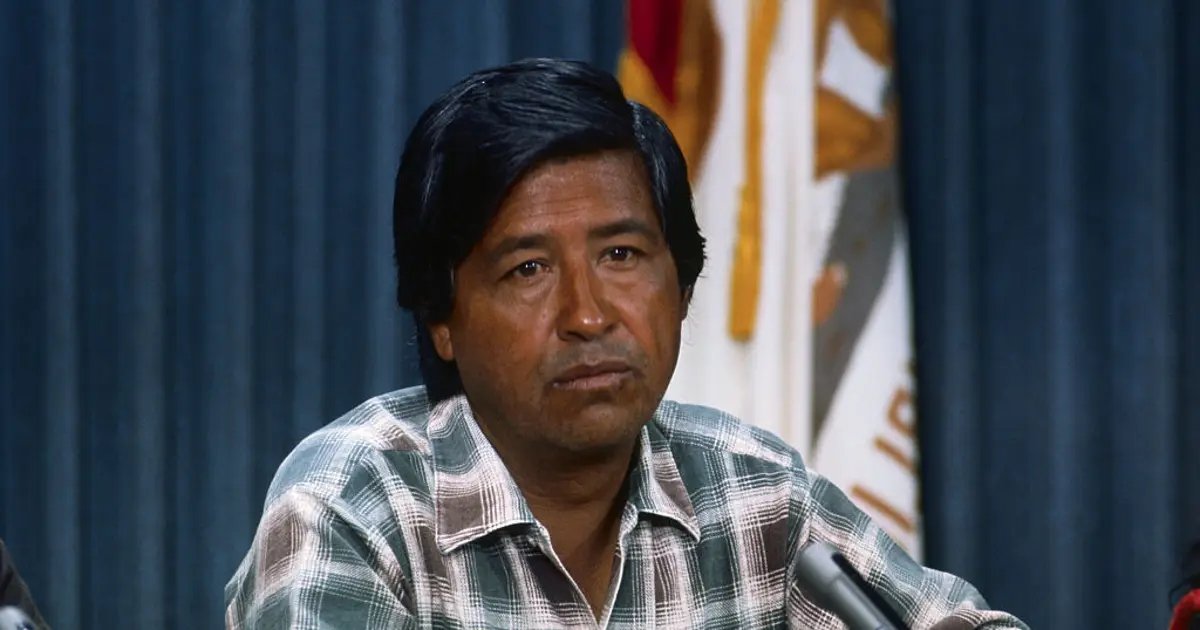
LOS ANGELES – The United Farm Workers (UFW) is experiencing a significant crisis following allegations of sexual abuse against its founder, César Chávez. A five-year investigation by The New York Times has revealed disturbing claims that recount decades of abuse, including the sexual assault of minors and the rape of co-founder Dolores Huerta.
Legal experts warn that the UFW could face substantial financial liability if it is proven that the organization failed to protect the victims on its premises. As of now, it remains uncertain how many individuals will come forward seeking legal restitution or whether UFW leadership had prior knowledge of the incidents, which might further escalate their liability.
The allegations, which surfaced in a comprehensive report by The New York Times, include testimonies from women now in their 60s who say they were abused by Chávez as children. The investigation synthesized various records, personal manuscripts, and photographs to substantiate these claims.
In response to the gravity of the allegations, the UFW described the accusations as "shocking" and "indefensible" in an official statement. They also announced their decision to halt all activities honoring Chávez during this year’s observance of his legacy on March 31, a significant departure from their traditional celebrations.
Luis Carrillo, a prominent attorney, noted that the UFW could face legal repercussions if it’s demonstrated that their leadership had neglected their duty to protect vulnerable individuals. “Those children… should have been protected,” he stated.
Supporters of Chávez have expressed feelings of betrayal as revelations about their once-revered leader surface. Carrillo, reflecting on his personal experience meeting Chávez with his son, remarked, "We all have our heroes in life, and we want to believe that our heroes deserve the adulation that we give them."
UFW President Teresa Romero commented on the situation, asserting, “We do not condone the actions of César Chávez. It’s wrong.” She described the findings of the investigation as "very difficult to hear" and acknowledged that they were unexpected for the organization.
As discussions about potential civil lawsuits gain traction, analysts anticipate that victims will seek reparations for the historical abuses they suffered. The UFW now faces the daunting challenge of reconciling Chávez’s legacy as a civil rights leader with these grave accusations.
Additionally, calls are growing to rename public spaces and schools currently honoring César Chávez. Local leaders and activists are pushing for changes as they grapple with the severe implications of the allegations.
In light of this emerging crisis, the UFW and the César Chávez Foundation are collaborating with experts to create a "formal, independent, and confidential process" aimed at fostering accountability and healing for those affected. At the same time, California state and local officials are reviewing the usage of Chávez’s name in public artworks and events.