

BBC Greenlights New Elon Musk Documentary, Explores Norma Percy’s Insights on Brexit & Anne Frank Series
BBC to Produce Sequel Documentary on Elon Musk
The BBC is set to explore the life and influence of Elon Musk in an upcoming sequel documentary, four years after the first major profile by 72 Films. Tentatively titled Musk: The Next Chapter, this documentary will build on content from last year’s The Elon Musk Show and will focus on developments in Musk’s life following his controversial takeover of Twitter, now known as X.
The documentary will delve into Musk’s right-wing political views, his relationship with former President Donald Trump, and the intricacies of his personal life, offering a deep look at the man behind the headlines.
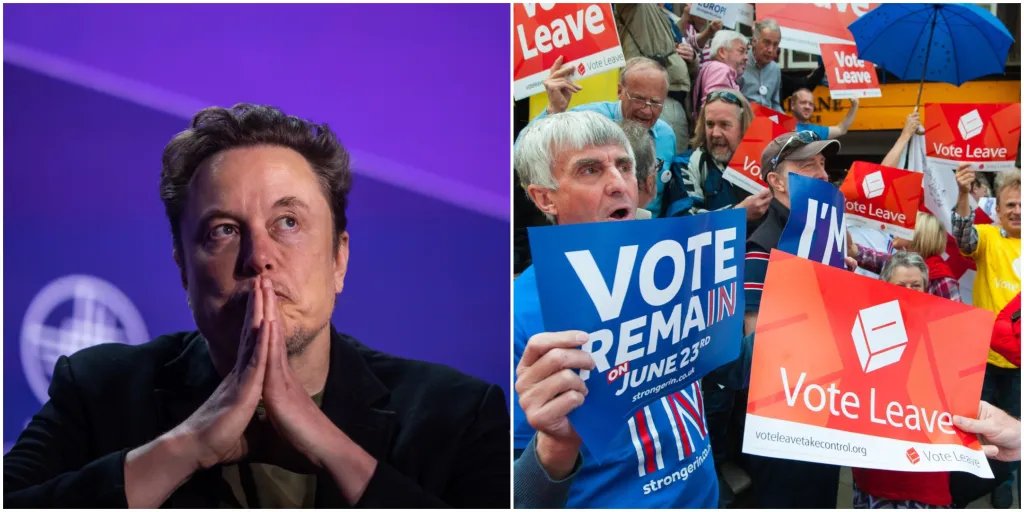
This project is one of three major commissions announced by the BBC’s Factual division. Included are Brexit: How Britain Voted Out— a documentary by renowned filmmaker Norma Percy— and a PBS co-production titled The Diary of Anne Frank.
Despite Musk’s often critical stance towards mainstream media and accusations of spreading misinformation via social media, his relationship with the BBC has been more complex, marked by both praise and critique.
Musk: The Next Chapter will feature insights from those close to Musk, providing a window into his decision-making processes and the motivations that have propelled him to become one of the richest and most powerful figures globally. The documentary will ultimately pose the question: is Musk a visionary fighting for free speech, a humanitarian, or a self-serving power player?
The 60-minute special is intended for BBC Two and iPlayer and has been commissioned by Jack Bootle, Head of Commissioning for Specialist Factual Programming. The production team includes commissioning editor Simon Young, executive producers John Douglas and Mark Raphael, producer Yasmine Permaul, and director Gussy Sakula-Barry. Fremantle will oversee global distribution.
“Elon Musk is exponentially richer than anyone else in the world, with a unique position of power and a huge amount to say about our future,” Sakula-Barry stated. “It is essential to explore his motivations, and the people we’ve interviewed have provided real insight into how Elon Musk became who he is today.”
Simon Young, Head of History at the BBC, emphasized the impartiality of their reporting: “One of the few things that Elon Musk can’t buy is the BBC. That means we can be beholden to absolutely no-one when it comes to pursuing truth with no agenda.”
Following this, Brexit: How Britain Voted Out will air later this year, commemorating the tenth anniversary of the Brexit vote that fundamentally altered the UK’s relationship with the European Union. This documentary will utilize firsthand accounts from key figures involved in the campaign, directed by Percy, who is recognized for her impactful documentaries.
“On the morning after the 2015 general election, David Cameron emerged victorious, and Nigel Farage, having failed to win a seat, resigned as UKIP leader,” the project’s synopsis reveals. “Thirteen months later, the tables had turned, leading to a shocking vote to leave the EU.”
The two-part series features interviews with notable political figures including David Cameron, Boris Johnson, and Nigel Farage, aiming to examine the internal conflicts that arose within both the Remain and Leave campaigns.
As the anniversary approaches, Percy remarked, “We’re lucky to have assembled an amazing cast of characters, some speaking publicly for the very first time, who tell us what it was like during this extraordinary period in British politics.”
The documentary on Anne Frank will offer fresh insights into her life and the harrowing experiences of the Jewish population during the Nazi regime. Producers have collaborated with the Anne Frank Fonds to gain exclusive access to her family archive, expressing hopes to shed light on this dark chapter of history through Frank’s own words.
Executive Producer James House remarked, “Many of us think we know Anne Frank but I’m not sure we do. The words and experiences of a child are a particularly sobering reminder of what can happen when a dangerous ideology takes hold.”
This programming response to the rampant misinformation in today’s media landscape showcases the BBC’s commitment to educating and informing viewers on essential historical topics. Young concluded, “We want BBC History to reach the widest possible audience, from those seeking deep specialist expertise to those curious about the events shaping the modern world.”


