


Andrew Mountbatten-Windsor’s Place in the Royal Line of Succession in Question Due to Controversy
Pressure Mounts on Andrew Mountbatten-Windsor Amid Controversy
Andrew Mountbatten-Windsor, the former Duke of York, remains positioned as No. 8 in the British line of succession, despite ongoing scrutiny related to his ties with convicted sex offender Jeffrey Epstein. This controversy has prompted discussions among officials about potentially removing him from this rank.
The former prince has faced backlash for years due to his association with Epstein, a situation that escalated with his arrest on February 19, coinciding with his birthday. He was taken into custody on suspicion of misconduct in public office. Allegations suggest that Andrew leaked confidential information to Epstein during his tenure as a U.K. trade envoy from 2001 to 2011. Although Andrew relinquished his Duke of York title in October and faced further renunciations of his royal duties by King Charles, his standing in the line of succession has yet to be officially challenged.
Last week marked a significant moment as Andrew became the first royal in modern times to be arrested under such serious allegations. Despite losing many privileges—including residence at the Royal Lodge—his spot in the line of succession remains intact, fueling calls for legislative action.
The British government is reportedly assessing the feasibility of removing Andrew from his place in the succession order. However, as noted by sources, this process is complex and would require an Act of Parliament as well as agreement from the 14 Commonwealth realms where King Charles is the monarch. Australian Prime Minister Anthony Albanese has expressed support for such measures, emphasizing the gravity of the allegations involved.
Albanese stated, “These are grave allegations and Australians take them seriously.”
Further complicating the matter, reports indicate that Buckingham Palace is unlikely to obstruct efforts to remove Andrew from the line of succession. Currently, he also holds the title of Counsellor of State, a role typically reserved for working royals meant to fill in for the King when necessary.
Veteran royal biographer Robert Jobson highlighted the unique legal landscape, asserting that a royal enforced removal from succession has no precedent. “King Edward VIII’s 1936 abdication was, after all, voluntary, and he signed the instrument himself. Nobody has ever been forcibly expelled from the British succession,” Jobson noted.
As the investigation into Andrew’s actions continues, the implications for the monarchy and public sentiment towards the royal family remain to be seen.
Ex-Prince Andrew on March 31, 2024.
Getty
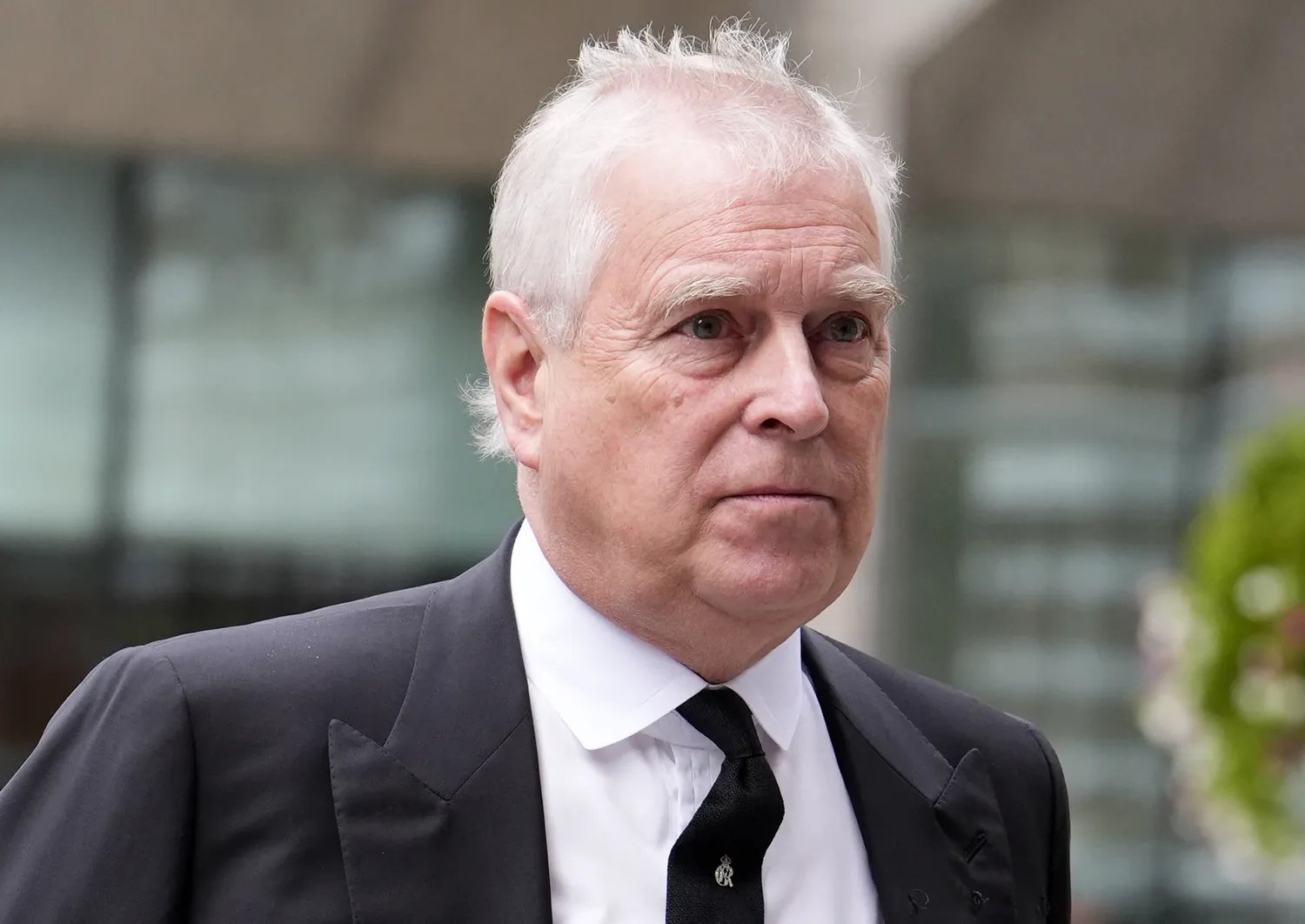
Ex-Prince Andrew on September 16, 2025.
Getty

Andrew Mountbatten-Windsor on March 31, 2024.
Getty