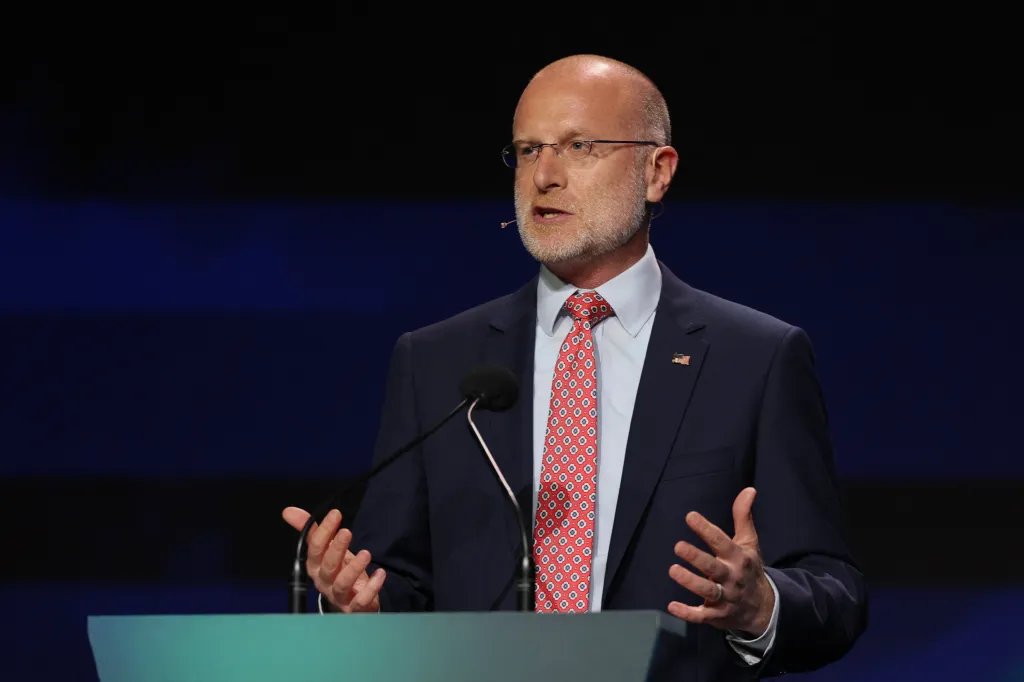
FCC Chairman Urges Broadcasters to Celebrate America’s 250th Anniversary with Heartfelt Patriotic Programming
FCC Calls for "Pro-America" Content from Broadcasters Ahead of 250th Anniversary
In a bid to celebrate the upcoming 250th anniversary of the United States, the Federal Communications Commission (FCC) is urging broadcasters to enhance their programming with "patriotic, pro-America" content. Chairman Brendan Carr made this announcement on Friday, encouraging stations to commit to programming that emphasizes civic education, national pride, and America’s shared history.
Carr’s initiative recalls the 1976 Bicentennial celebrations, referencing the popular educational series Schoolhouse Rock!, which taught children about civics. He suggested that broadcasters could consider starting each programming day with the Pledge of Allegiance or performing The Star-Spangled Banner.
In addition, the FCC chairman outlined various ways broadcasters can participate, including airing public service announcements focused on civics and American history, highlighting local historical sites, and featuring music by iconic composers such as John Philip Sousa and Aaron Copland. He also proposed creating segments like "this day in history," reminiscent of CBS’s Bicentennial Minutes, which aired nightly during the 1976 celebrations and featured narrators ranging from stars to President Gerald Ford.
Historically, playing the National Anthem was a common practice during a station’s sign-on and sign-off, though it has diminished as many outlets shifted to 24-hour broadcasting schedules. However, some stations have recently revived this tradition.
Carr has branded his initiative as the Pledge America Campaign, encouraging broadcasters to voluntarily adopt commitments that align with their long-standing public interest obligations. The FCC describes the campaign as a platform for broadcasters to support Task Force 250 by airing content that showcases America’s journey and inspires citizens by emphasizing the nation’s historic accomplishments from its founding through the present.
As part of their licensing requirements, broadcasters must demonstrate their commitment to public interest when seeking renewal, with the next evaluations set for 2028.
In a statement, Carr highlighted the increasing relevance of such programming, noting that surveys indicate a decline in civics education. He remarked, "Classic programming such as Schoolhouse Rock! is now only found in online archives. Broadcasters are uniquely positioned to address these concerning developments by providing programming that celebrates the remarkable story of American Independence tailored to their local communities."
Carr encouraged broadcasters to pledge support for this historic, non-partisan celebration, emphasizing its significance as an opportunity to educate and inspire local audiences.
However, the effort has drawn criticism. Anna Gomez, the sole Democrat on the FCC, has accused Carr of using investigations into shows like The View and Saturday Night Live as a means to pressure broadcasters. This week, Carr indicated that an "enforcement action" against The View for allegedly violating the Equal Time Rule is under consideration. Gomez contended that "the threats are the point, the harassment is the point," warning that FCC actions could infringe on First Amendment rights.
In a response on social media, Gomez commented on the America 250 pledge, stating, "Nothing is more American than defending our constitutional rights against those who would erode our civil liberties." She urged broadcasters to approach the FCC campaign with an eye toward safeguarding their First Amendment rights.
The National Association of Broadcasters issued a statement expressing appreciation for the FCC’s recognition of the vital role of local broadcasters. The trade association plans to provide resources and support for stations that choose to participate, aiming to facilitate celebrations of this significant milestone in American history.
Schoolhouse Rock!, influential in the 1970s and ’80s, featured the memorable segment, "I’m Just a Bill," which debuted in 1976 during the Bicentennial celebrations.