
How Will American Athletes Be Received at the Olympics Amid Protests Over ICE?
Concerns Rise Over Potential Reactions to U.S. Athletes at Olympics Amid ICE Protests
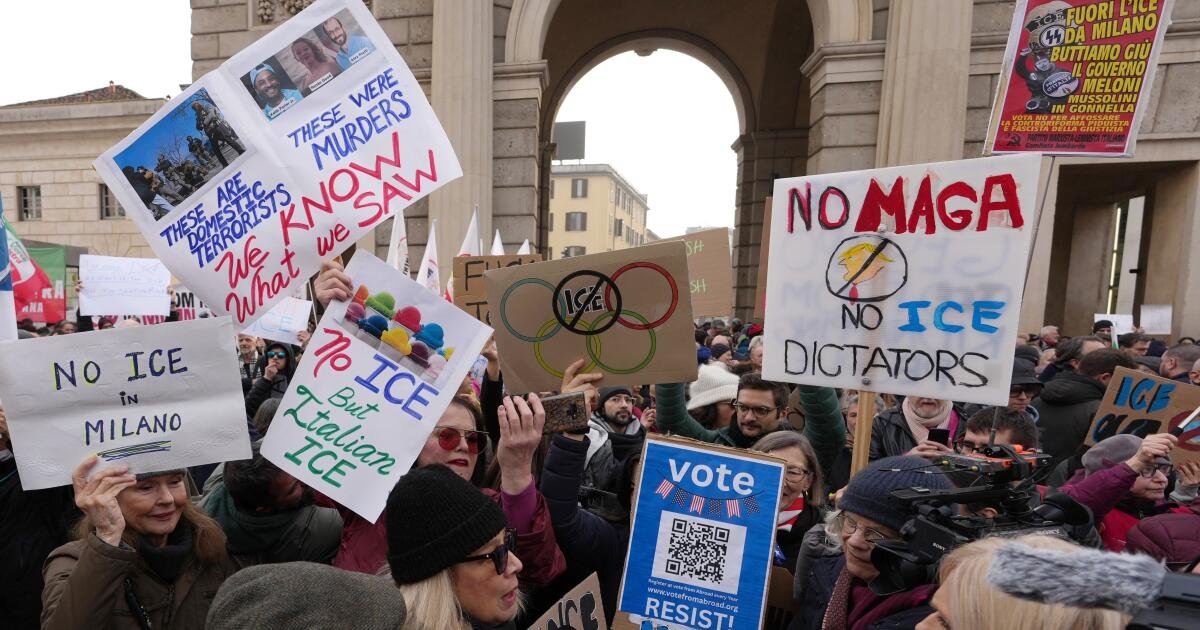
As tensions escalate regarding the presence of U.S. Immigration and Customs Enforcement (ICE) at the upcoming Olympic Games, questions are surfacing about how American athletes may be received by the audience. Protests have already begun to emerge, focusing on the controversial role of ICE and its implications for marginalized communities.
Advocates against ICE’s involvement argue that the agency’s actions have fostered divisions and fears among immigrant populations. They express concern that these sentiments could translate into negative reactions towards athletes representing the United States on the global stage.
"We want to highlight the impact of ICE’s policies on athletes and communities alike," said one protest organizer. The hope is to draw attention to the broader social issues behind the games, beyond the athletic competitions.
Historically, the Olympics have served as a platform for athletes to express political views and social stances. Many worry that this year’s events may see a repeat of past controversies, where gestures of protest were met with a mixed reception from spectators.
As the Games approach, it remains to be seen how this ongoing dialogue will influence the atmosphere surrounding American competitors. The implications of these protests may not only affect the athletes but could also resonate with the broader discourse on immigration and social justice.