
Hoodoo Gurus Speak Out Against One Nation’s Use of Their Music
Trending on Billboard
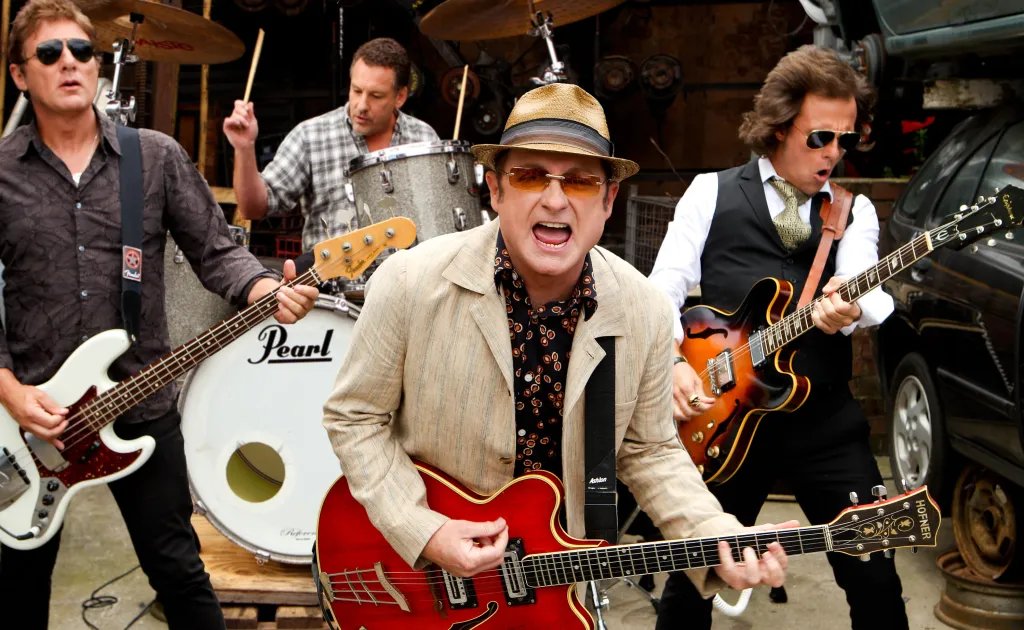
The Australian rock band Hoodoo Gurus has condemned the use of their music at a recent Australia Day rally associated with the right-wing political party One Nation. In a pointed statement, the group distanced itself from the party and its supporters.
Explore
Hoodoo Gurus
See latest videos, charts and news
In a social media post dated January 26, the band expressed their dismay upon discovering that one of their songs was played during the rally, which coincided with Australia Day—a date often referred to as Invasion Day by many Australians.
“Like most Australians, we have always been appalled by Pauline Hanson and the toxic nonsense she spouts,” the band stated. “We want nothing to do with you. In fact, we wouldn’t p*** on you if you were on fire.”
The statement further insisted, “Don’t play our music, don’t listen to our band, do not pass go!”
Hoodoo Gurus’ remarks come amid ongoing discussions about the unauthorized use of artists’ works in political contexts. January 26 has increasingly become a controversial date, with many Australians recognizing it as Invasion Day, honoring the experiences of First Nations peoples affected by colonization.
Just days prior, Colin Hay, frontman of Men at Work, voiced his objections to the use of his band’s iconic song, “Down Under,” at anti-immigration rallies.
“Let me say that I most strenuously disapprove of any unauthorised, unlicensed use of ‘Down Under’, for any ‘March for Australia’ events,” Hay expressed in a separate statement. “’Down Under’, a song I co-wrote, does not belong to those who attempt to sow xenophobia within the fabric of our great land, our great people.”
Hay described the song as “a song of celebration,” standing for “pluralism and inclusion; unity, not division.”
He concluded with a decisive message, urging organizers to “go write your own song, leave mine alone,” before signing off with “(immigrant).”
These statements reflect a growing trend among Australian artists who are increasingly vocal about their boundaries regarding how their music is used in political arenas, especially when such uses conflict with the values they uphold in their art and legacy.