

What Frustrated Us About Fashion in 2025?
Fashion in 2025: A Landscape of Outrage and Debate
Fashion, while often celebrated for its artistry and creativity, has elicited strong feelings of anger this year. The industry has sparked controversy, political commentary, and a reevaluation of its societal role.
One of the most discussed moments occurred with Sydney Sweeney’s advertisement for jeans. The campaign ignited a cultural storm, drawing praise from former President Donald Trump, who called it “the HOTTEST ad out there” on Truth Social. Even months later, Sweeney finds herself addressing the backlash and scrutinizing her fashion choices in interviews.
In another notable incident, Dutch indie designer Duran Lantink’s provocative creation—a top featuring oversized, jiggling breasts—provoked debate at Paris Fashion Week. The attention escalated to the point where former Fox News anchor Megyn Kelly devoted an entire podcast segment to analyzing it. Kelly remarked, “There are always going to be mentally deranged people in our society. And then there will be equally cynical advantage takers, like the designers behind this whole thing. The only solution for the rest of us is to say no, call out the depravity, and register how gross we find it.”
Images of Sarah Pidgeon as Carolyn Bessette Kennedy unleashed fresh debate over the late icon’s style.
Jose Perez/Bauer-Griffin/GC Images/Getty Images

And Kylie Jenner’s appearance in a Miu Miu campaign led to questions over whether the brand had lost its cerebral edge.
Lengua/Miu Miu
Conversations around fashion in 2025 suggest a collective belief that everything is at stake. Paparazzi coverage of productions like Ryan Murphy’s upcoming series on Carolyn Bessette Kennedy incited lengthy debates among TikTok users about interpreting her iconic style. Similarly, Kylie Jenner’s role in Miu Miu’s campaign raised concerns regarding whether the brand was veering away from its thoughtful aesthetic. Meanwhile, influencer Neelam Ahooja’s public "breakup" with The Row questioned the brand’s consistency amid rising pressures for authenticity.
Designer Edward Buchanan added to the discourse by pleading for respect for designers on social media during Paris Fashion Week. His call for intelligent criticism ignited a contentious debate on who qualifies to critique fashion—experts or everyday observers engaging through social media platforms.
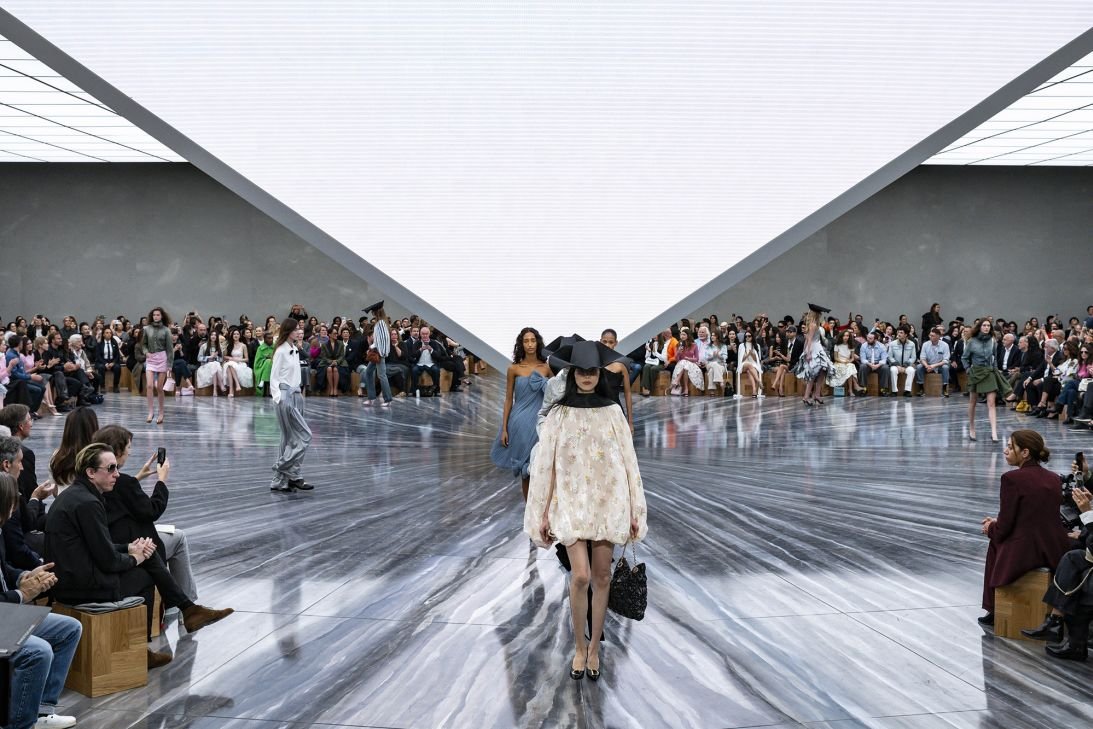
This season’s slate of designer debuts — from Dior, above, as well as Chanel, Bottega Veneta, Jean Paul Gaultier and more — inspired heated conversation over the quality of designer fashion and the very nature of fashion criticism.
Victor Virgile/Gamma-Rapho/Getty Images
The rise of the term "rage bait," recognized as Oxford University Press’s word of the year, reflects the industry’s current climate. Many designers seem to evoke outrage, possibly without realizing the implications. For instance, Skims’ controversial merkin thong, described as a publicity stunt, led to questions about the nature of nudity and celebrity culture.
The fashion industry has faced intense scrutiny in recent years for issues like cultural appropriation and diversity, largely propelled by social media activism. This environment has fostered a belief among fans that their voices can bring about change—a sentiment that has significantly influenced current fashion discourse.
As the industry grapples with these challenges, incidents like Balenciaga’s contentious advertising campaign have ignited broader discussions about the intersection of fashion, culture, and morality. Balenciaga’s creative director, Demna, publicly apologized for the offending imagery, which included children holding teddy bear bags dressed in BDSM-inspired outfits, acknowledging the backlash as "inappropriate."
The conversation has shifted from a focus on aesthetics to one centered on ideology, prompting creators and influencers to migrate from traditional platforms to more discussion-oriented forums like Substack.
Looking ahead to 2026, some industry figures have suggested that we may witness a different kind of dialogue. Creator Ryan Yip coined the term "fashion zoochosis," describing a craving for fresh discourse amid a saturation of uninspired trends. He expressed concern that the impetus for engagement may come from provocations rather than genuine creativity.
In a landscape ripe for exploration, a shift toward curiosity about smaller designers and ideas could lead to a more enriching conversation—one that transcends mere outrage and moves toward a more thoughtful engagement with fashion.