
Trump Plans to Withdraw National Guard from LA, Chicago, and Portland
National Guard Troops to Withdraw from Major Cities Following Crime Reduction
LOS ANGELES – President Donald Trump announced plans to withdraw National Guard troops from Los Angeles, Chicago, and Portland, citing a decrease in crime as the reason for the decision.
In a recent post on Truth Social, Trump indicated that while crime has diminished in these cities, he would consider redeploying troops if crime rates "begin to soar again." He stated, "We are removing the National Guard from Chicago, Los Angeles, and Portland, despite the fact that CRIME has been greatly reduced by having these great Patriots in those cities… We will come back, perhaps in a much different and stronger form, when crime begins to soar again."
This move comes after California National Guard troops were largely withdrawn from Los Angeles by December 15 due to a court ruling. An appeals court had previously paused enforcement of a separate order that mandated the return of control to Governor Gavin Newsom. However, a filing from the Trump administration on Tuesday indicated it would no longer seek a pause in this ruling, allowing full control to revert to state authorities.
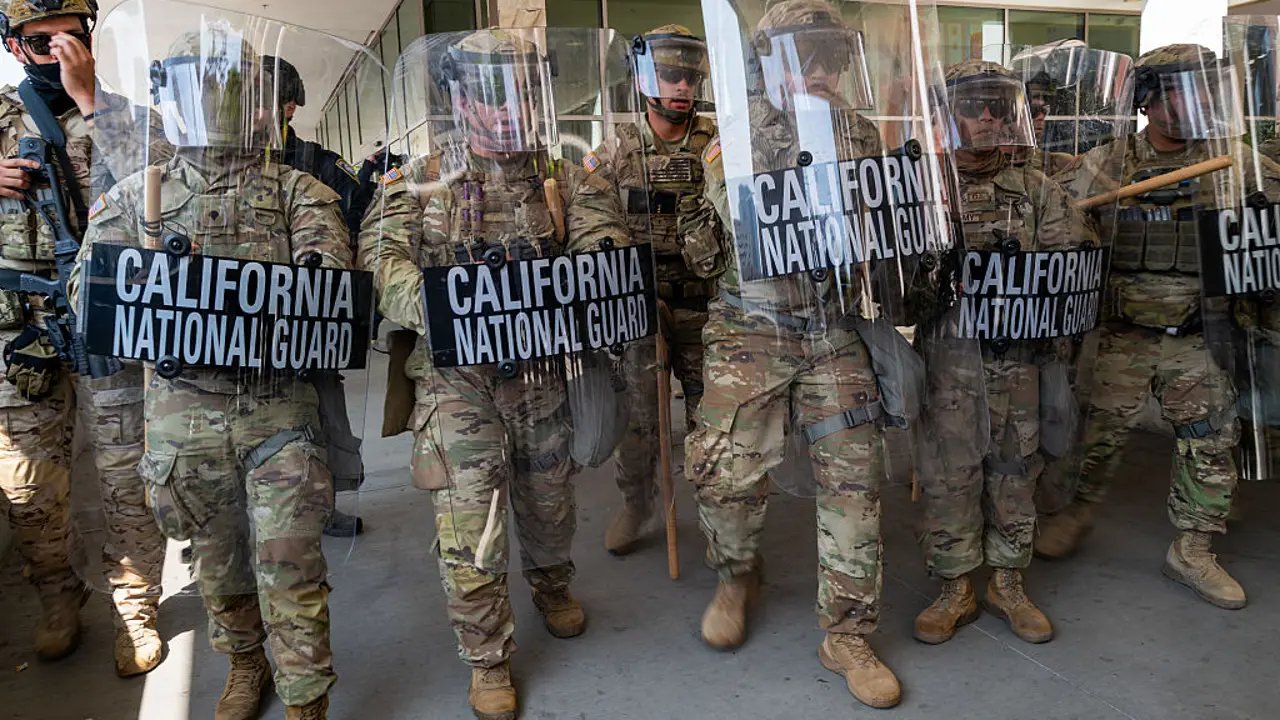
In June, Trump had ordered the deployment of 2,000 California National Guard troops to Los Angeles in response to extensive immigration protests and raids, asserting that local law enforcement could not sufficiently protect federal officials and facilities. The troop count was later reduced to around 300, but California’s ongoing litigation challenged the deployment, contending it violated constitutional rights.
Background on the Deployment
On June 7, in light of rising immigration protests, Trump ordered the National Guard to Los Angeles, arguing local authorities were unable to ensure the safety of federal personnel. California’s legal challenges followed, seeking to halt what they viewed as an unconstitutional military presence.
Opposition officials in California pointed out that while Trump attributed crime reduction to the National Guard’s presence, the troops primarily served as a show of force rather than engaging in active crowd control. Most of the actual policing was conducted by local law enforcement agencies.
Legal Challenges in Other Regions
The deployment of National Guard troops in these cities sparked legal disputes, most notably a December ruling from the Supreme Court that blocked the dispatch of troops to Chicago. Additionally, legal actions have been initiated against the administration’s troop deployments in Washington, D.C., and Oregon, where a federal judge issued a permanent block.
As discussions around the role of the National Guard in urban settings continue, the implications of this decision may ripple through the political landscape heading into future civic engagements.