

California’s New Animal Protection Laws Coming in 2026
New Animal Welfare Laws in California Set to Take Effect on January 1
Five new animal welfare laws designed to enhance protections for pets and improve veterinary care across California will take effect on January 1, 2026. This announcement was made by the San Diego Humane Society (SDHS) on Monday.
SDHS officials highlighted that these legislative changes are the outcome of extensive lobbying efforts by a coalition of advocacy groups.
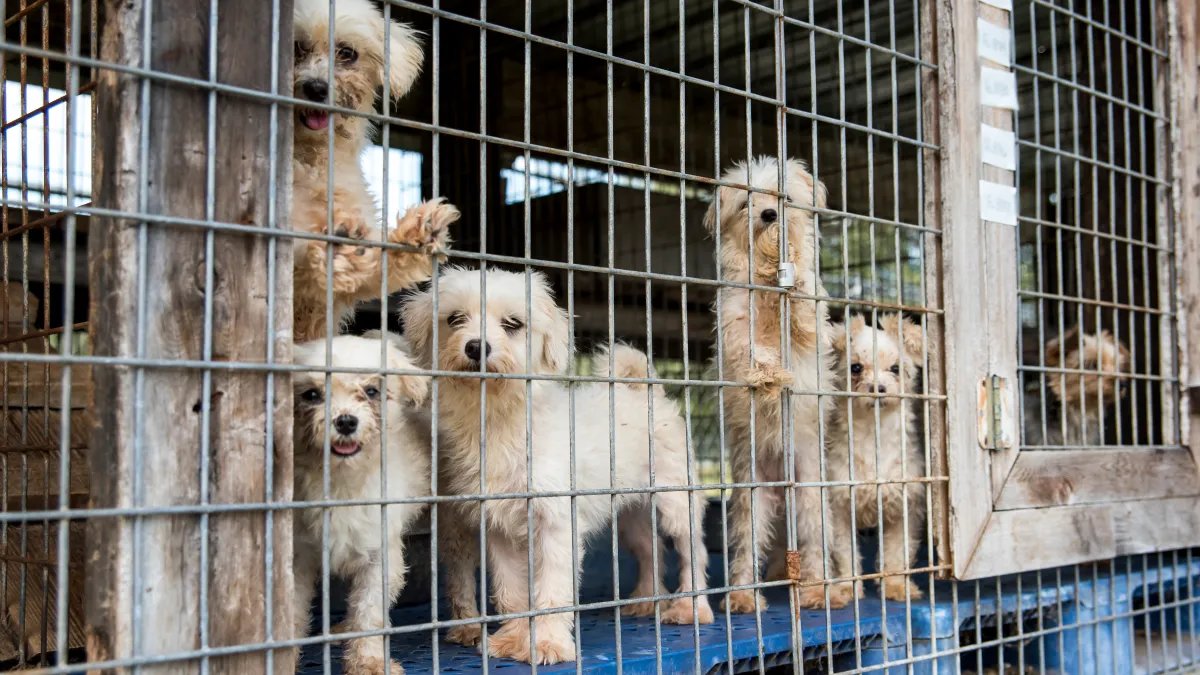
Among the newly enacted measures is AB 519, the "Closing The Pet Broker Loophole," authored by Assemblyman Marc Berman, D-Palo Alto. This law prohibits California pet brokers from operating within the state, specifically targeting businesses that profit from animals bred by third parties. The goal is to combat issues related to puppy mills by preventing misleading marketing practices that present these dogs as locally raised.
Another significant law, SB 312, known as the "Puppy Importation Transparency Act," was introduced by Senator Tom Umberg, D-Santa Ana. This legislation mandates that dog importers submit health certificates electronically to the California Department of Food and Agriculture within ten days of shipment. These certificates will provide critical information regarding the breeders and health status of the dogs, promoting greater transparency and helping to combat unethical breeding and transport practices.
AB 506, sponsored by Assemblyman Steve Bennett, D-Oxnard, aims to protect pets from deceptive sales practices. The law voids misleading contracts used by online sellers, particularly those that include non-refundable deposits or lack disclosure regarding an animal’s origins. Additionally, it requires sellers to refund buyers within 30 days if a puppy becomes unavailable.
AB 516, put forth by Assemblyman Ash Kalra, D-San Jose, clarifies the duties of veterinary staff. This legislation allows registered veterinary technicians and assistants to carry out any medical tasks not expressly prohibited by law, thereby improving efficiency in veterinary practices and enabling more animals to receive care.
Lastly, SB 602, sponsored by Senator Dave Cortese, D-Silicon Valley, facilitates greater access to veterinary services for shelter animals. The law permits designated animal shelters to perform essential veterinary procedures, such as vaccinations and parasite control, without the need for a veterinarian to be onsite, particularly benefiting underserved communities.
Gary Weitzman, SDHS president and CEO, stated, "These legislative victories reflect SDHS’s broader commitment to advancing humane, equitable and sustainable solutions for animals and the people who love them. By shutting down exploitative puppy-mill pipelines and expanding access to veterinary care, we are addressing two of the most urgent challenges in animal welfare today."